Hosting a Film Night Without Turning It into a Schedule
Hosting a film night can feel easy rather than overplanned: agree on one movie, set a loose start, and leave guests room to settle and talk.
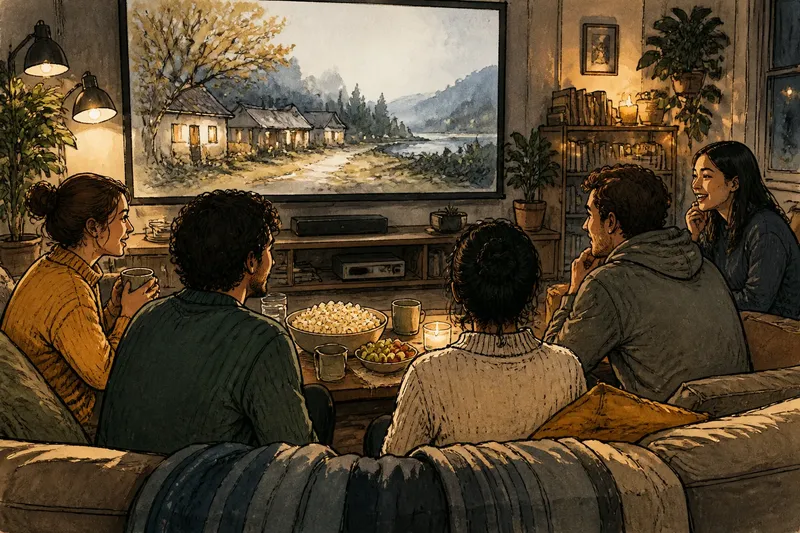
The most common mistake in hosting a film night is treating the movie as the whole evening. Guests arrive to a fixed start, a decision already made, and an expectation of silence; the cost is a gathering that feels more like an appointment than time spent together. Hosting a film night well means giving the movie a place in the evening without asking every other moment to orbit it.
How do you choose one film without making guests audition their tastes?
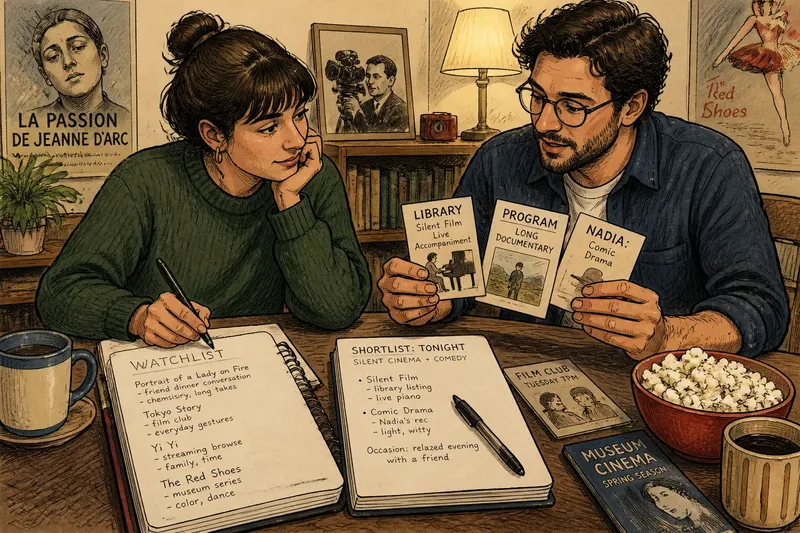
Offer a small, varied set of choices, then let guests choose by mood rather than defend their preferences. A few titles are enough: perhaps a comedy, a gentle mystery, and an animated film. Share the options before people arrive if that helps, but keep the decision conversational rather than turning it into a poll everyone must answer.
It can help to describe each option in ordinary terms. Say whether it is quiet or energetic, familiar or strange, light or emotionally demanding. Avoid making a guest explain why they do not want a particular genre. “I’m not in the mood for anything tense” is a complete reason.
Set a simple boundary around the choice. If the group is split, narrow the options once and decide together. Reopening the entire discussion after a selection has been made can make the evening feel as if it has not begun. A host can also choose a film and offer guests a clear chance to opt out, especially when the group knows one another well.
For instance, imagine you invite four friends after work and offer a warm comedy, a short animated feature, and a low-key mystery. One guest says they would rather avoid suspense, so the group chooses between the other two. The expected observable result is a decision everyone can accept without anyone having to make a case for their taste.
Keep the choice small enough to finish in a conversation.
Should you tell guests what to expect before they arrive?
Yes, but keep the invitation useful rather than elaborate. Tell guests whether the film is already chosen or will be picked together, roughly when you hope to press play, and whether food is part of the plan. That gives people a sense of the evening without making them feel bound to a timetable.
A message might say, “Come by after seven; we’ll choose something together and start when everyone has settled. I’ll have popcorn and tea.” If the film has a particularly intense tone or a subject that could affect someone, mention that plainly and let people decide in private. A brief description is more considerate than a surprise that puts a guest on the spot.
It is also useful to say whether arriving late is manageable. Some films are easy to join after the opening; others rely on an early setup. You need not assign arrival slots. A simple note such as “Text if you’re running late, and we’ll decide whether to wait” leaves room for ordinary changes.
Expectations should cover the social shape, not dictate behavior. Guests can know that the plan centers on one movie while still understanding that they may step out, get water, or leave when they need to.
What time should the movie start?
Choose a loose start window, then begin when the group is ready rather than waiting for perfect punctuality. “We’ll aim to start around eight” communicates a plan without making a late arrival feel like a breach of contract. If the film has a long opening that guests should see, mention that in the invitation.
Give people a little time to greet one another and put down coats, but do not fill the waiting period with planned activities. A bowl of popcorn, a place to set a drink, and an easy conversation are usually enough. The point is not to keep everyone occupied until the exact minute.
If the group is small, ask once whether anyone is still on the way. Then make a decision that suits the people present. Repeatedly checking the clock can make those in the room feel as though they are waiting for a missing part of the evening.
When a guest arrives after the film begins, respond in a way that fits the movie. For a plot-heavy opening, pause briefly if doing so will not disrupt the group. Otherwise, make a seat available and let the person settle quietly. There is no universal rule; the host’s calm response matters more than perfect coordination.
How can you make room for conversation without interrupting the film?
Let conversation happen before the movie and after it, and avoid treating silence as a test of good audience behavior. A film night can include a few whispered remarks, a laugh, or a short pause for someone to get a drink. If the group tends to talk through scenes, mention your preference kindly: “I’d love to catch the dialogue, so let’s save the longer chat for afterward.”
Choose a natural pause if you want a break. The end of a short film, an intermission built into the program, or a moment when people are already getting up can work better than stopping at an arbitrary point. If no pause feels natural, keep the option simple: anyone can step out without asking the room’s permission.
After the credits, resist the urge to lead a formal discussion. A specific, open question can invite more honest reactions than “Did everyone like it?” Try asking which moment stayed with someone, or whether the ending felt earned. Then let the conversation wander. Some guests will want to talk about the film; others may turn to a related memory or start clearing cups.
One good question is enough to open the door. You do not need to make every guest answer it.
What food and comfort arrangements keep the evening easy?
Choose food that does not demand much attention during the movie. Popcorn, cut fruit, crackers, or a simple tray of snacks can be put out before guests arrive. If you are serving a meal, consider eating before pressing play so plates and serving decisions do not compete with the film.
Ask about relevant food needs in the invitation, without making a guest explain more than they wish. Label dishes when ingredients may not be obvious. Keep water easy to reach, and provide a place for used cups or napkins that does not require a mid-film cleanup round.
Comfort can be handled with a few quiet choices: leave a clear path to the door, keep a lamp available for moving around, and let guests choose where they sit. You do not need to rearrange the room into a theater. A seat that suits one person may not suit another, and a little flexibility makes it easier to settle in.
Check the film’s format and any relevant device or service instructions before the gathering, especially if you are using a borrowed disc or a streaming account with household settings. Local rules and the provider’s terms can matter for public or commercial screenings; a private gathering should still follow the applicable terms.
How do you handle a film that does not suit the group?
Give guests an uncomplicated way to say so, and treat that answer as useful information rather than a challenge. A film may feel longer, darker, louder, or more upsetting than someone expected. If a guest wants to leave the room, pause, or switch to something else, respond without asking them to justify the request in front of everyone.
Agreeing on the film is not a promise that every person must watch to the end. The host can ask the group whether they want to continue, take a short break, or stop. If the group is divided, offer a quiet alternative: a guest can step out while the rest finish, or everyone can end the screening and spend the remaining time together.
Do not turn a change of plan into a second, lengthy selection round. If the group stops, move to conversation, dessert, or an early finish. A relaxed gathering can end before the movie does.
What should you do before guests arrive?
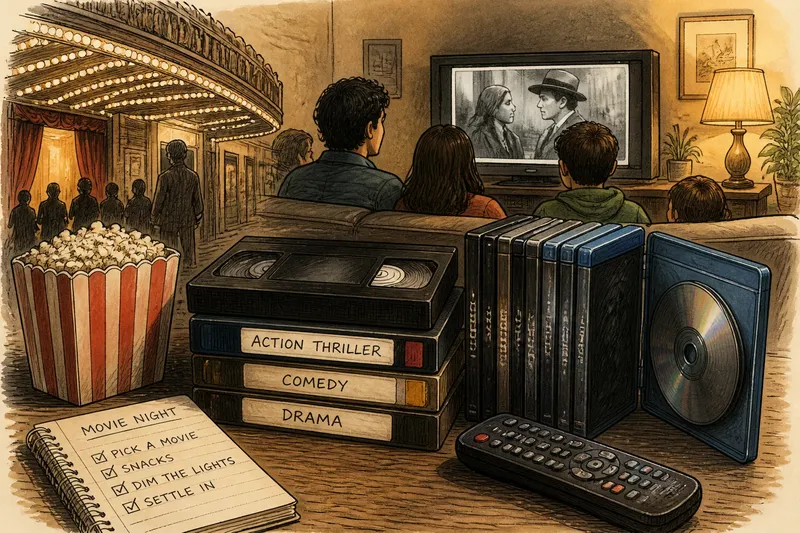
Make the few arrangements that prevent avoidable interruptions, then leave the evening alone. Confirm that the chosen film is accessible, that the sound works at a comfortable level, and that the remote or playback device is easy to find. Put snacks and drinks where guests can reach them, and clear a place for coats and bags.
- Check that the film is available in the format you plan to use.
- Have the title and a backup option ready, without presenting the backup as another round of voting.
- Set out cups, napkins, and a simple snack before people arrive.
- Make the path to the kitchen and bathroom easy to see.
- Tell guests the approximate start time and whether you will choose together.
- Keep the remote and any needed device controls within reach.
These are small preparations, not a run of show. Once the basics are handled, let guests arrive at their own pace and give the evening room to change shape.
What questions do hosts ask about a film night?
Should I pick the movie before guests arrive?
Pick it in advance if your guests prefer a clear plan or if the film is the reason for the gathering. If choosing together is part of the fun, bring only a few suitable options and agree on a point when the group will decide.
Is it rude to pause a movie for a late guest?
Not necessarily; a brief pause can be considerate when the opening explains the story. For a scene that would lose its effect, let the guest settle in and offer a quick recap only if they ask.
What if someone has already seen the film?
Ask whether they would enjoy seeing it again, rather than assuming they should choose a different movie for everyone. If they would rather not, let the group consider another option without asking them to defend the preference.
Should guests bring food or drinks?
Say whether anything is needed, and make it equally easy for guests to arrive empty-handed. If someone offers to bring something, suggest a simple item that fits the plan, such as fruit or a drink to share.
How do you end the evening without making it feel unfinished?
Let the gathering end by degrees. The credits may prompt a conversation, a stretch, or the first person reaching for a coat; none of these needs to become a formal closing. If you have a firm departure time, mention it in advance, then give a gentle reminder when that point approaches.
Keep the post-film conversation open to different reactions. Someone may have loved the ending, while another may be ready to talk about something else. You can share what caught your attention without making your response the correct one. A movie can be the common reason people gathered, not the only subject they are allowed to discuss.
Hosting a film night does not require a perfect choice or a synchronized room. Agree on one movie, make the practical details clear, and leave enough space for the people around it. That is the useful promise of hosting a film night: a shared occasion with a center, but no need to schedule every moment around it.